Brady Cryogenic Labels for Lab and Industrial Use
The Importance of Selecting the Right Printer Labels
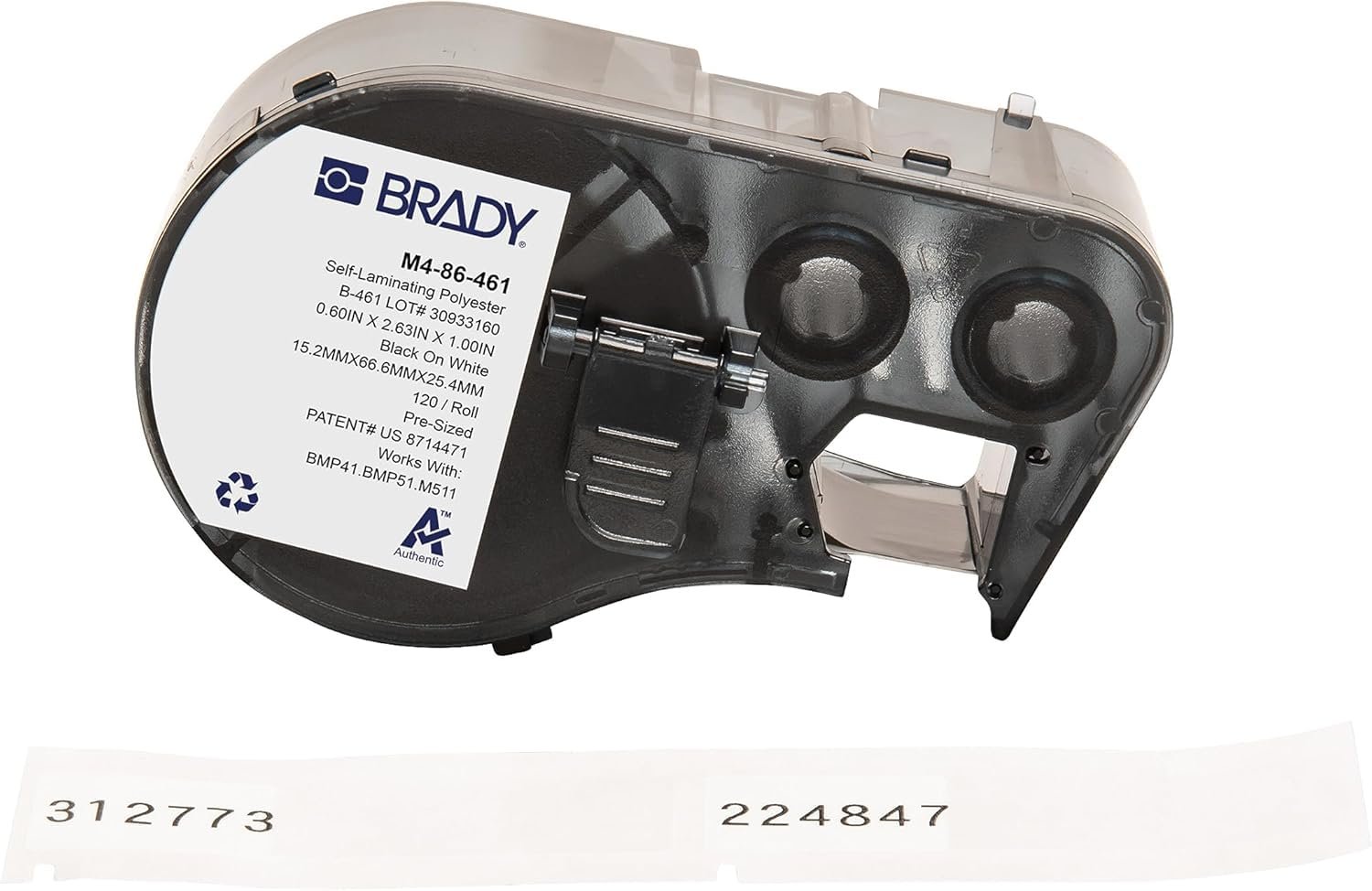
In modern workplaces, the efficiency of document management often hinges on the reliability of printing solutions. Whether in a research laboratory, pharmaceutical facility, or industrial setting, the choice of printer labels can significantly impact operational workflows. High-quality labels ensure accurate identification of samples, equipment, and materials, while their durability determines their suitability for extreme environments. For instance, labels used in cryogenic storage must withstand sub-zero temperatures without compromising print integrity. Similarly, labels exposed to harsh chemicals must resist degradation to maintain legibility. The growing demand for precision in industries like biotechnology, healthcare, and manufacturing underscores the need for labels that meet rigorous performance standards. This review evaluates the Brady Authentic (M4-86-461) Self-Laminating Cryogenic Polyester Labels, focusing on their ability to fulfill these critical requirements. By analyzing specifications, user feedback, and technical capabilities, this guide provides a comprehensive framework for assessing label performance. Key factors such as chemical resistance, temperature tolerance, and application versatility will be explored to help users determine if these labels align with their operational needs.
Quick Overview
| Feature | Details |
|---|---|
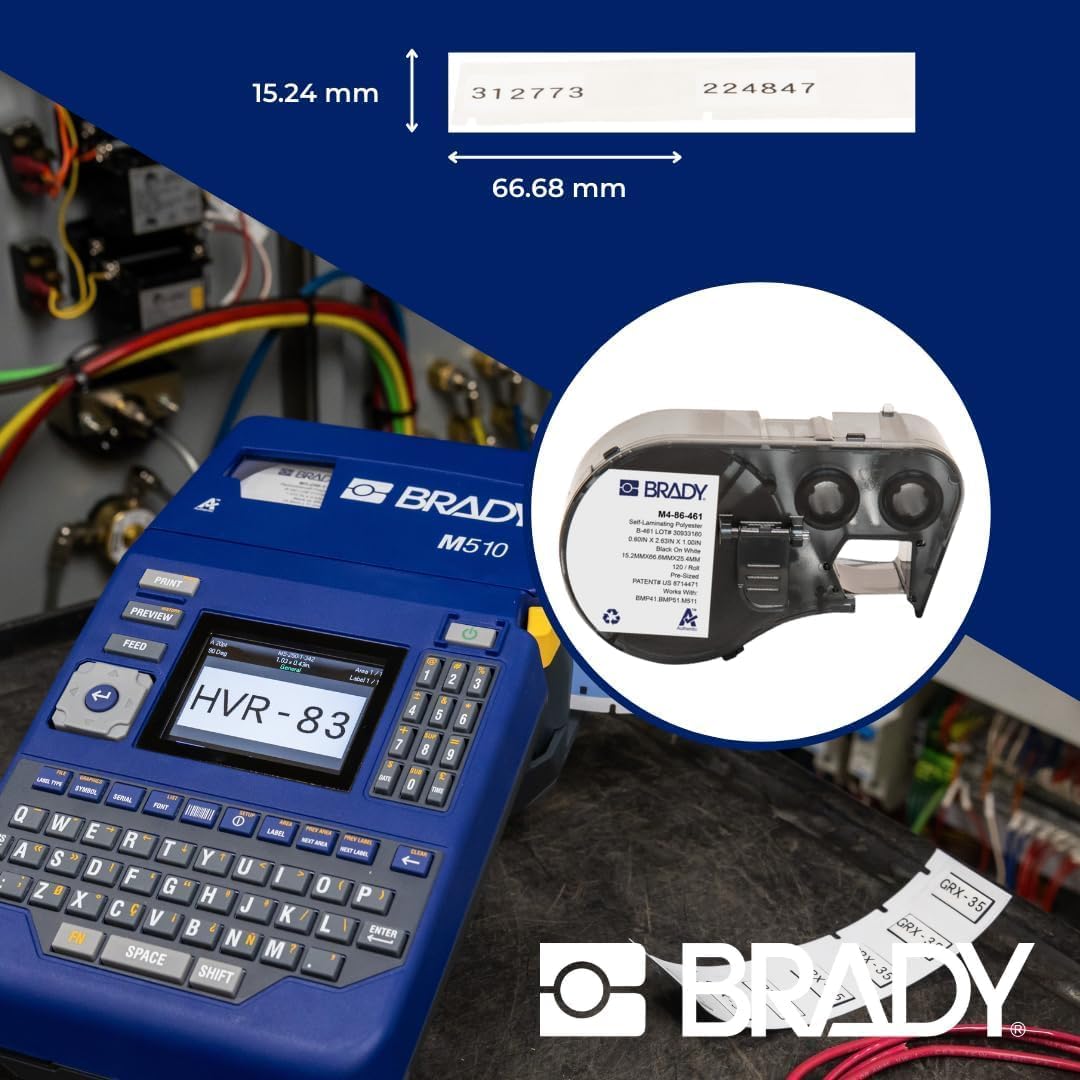
| Printer Compatibility | BMP41, BMP51, M511 |
| Label Size | 0.6″ H x 2.625″ W |
| Material | Cryogenic polyester |
| Finish | Self-laminating clear overlaminate |
| Color | Black on white, clear |
| Chemical Resistance | Ethanol, toluene, isopropanol, xylene, DMSO, 50% acetic acid, 10% hydrochloric acid, 10% Clorox solution |
| Temperature Range | -196°C to 130°C (-320°F to 266°F) |
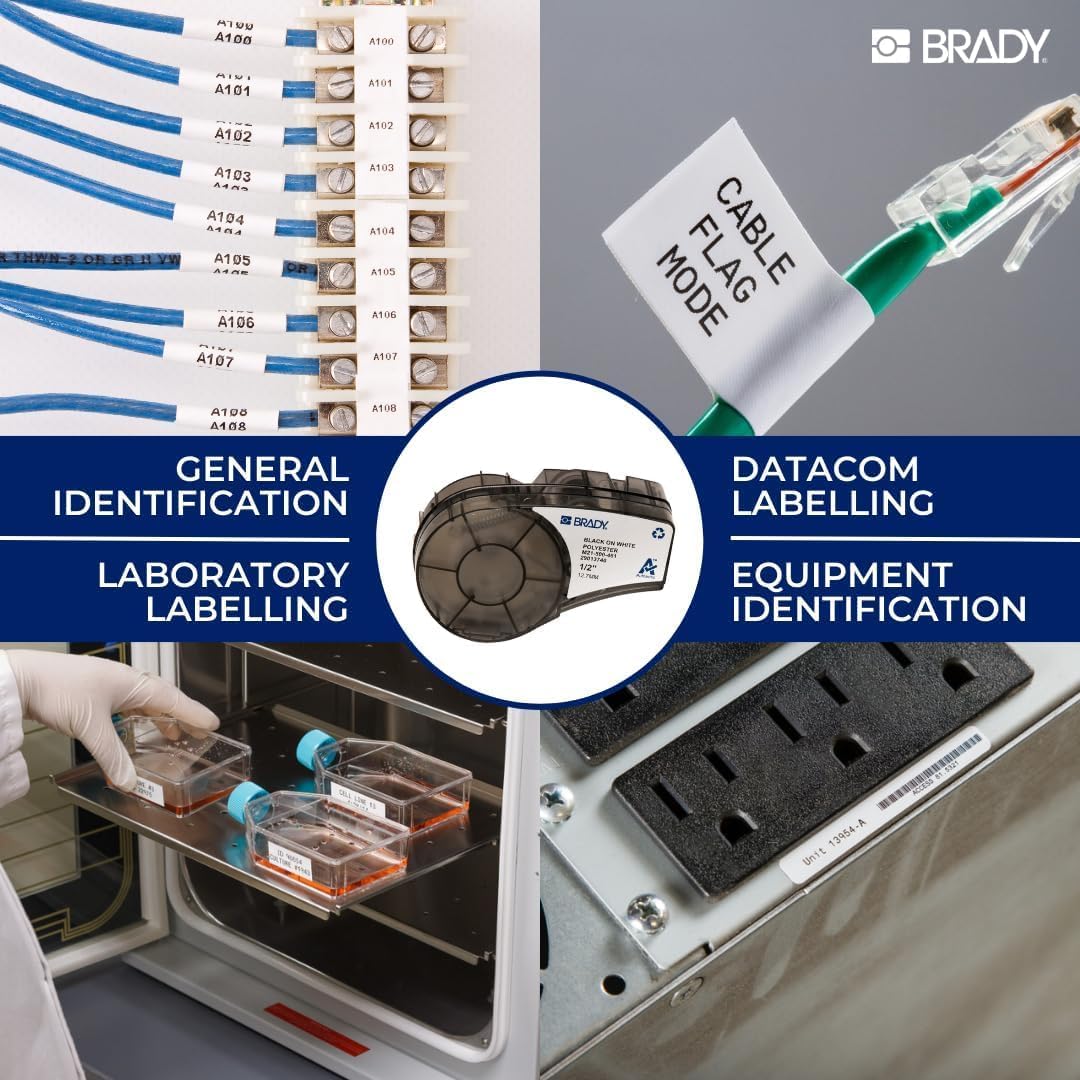
| Application | Curved surfaces, vials, centrifuge tubes, test tubes, straws, slides |
| RoHS Compliance | Pass 2015/863 |
| Packaging | 120 labels per roll |
These labels are engineered for environments requiring extreme durability. Their self-laminating clear overlaminate provides additional protection against abrasion and environmental stressors, making them suitable for high-traffic industrial applications. The combination of chemical resistance and cryogenic performance ensures long-term reliability in specialized settings.
Cryogenic and Extreme Temperature Resistance
The ability to withstand extreme temperatures is a defining characteristic of these labels. Designed for use in cryogenic environments, they maintain structural integrity from -196°C to 130°C, a range that accommodates liquid nitrogen storage and autoclave conditions. This temperature resilience is achieved through the use of cryogenic polyester, a material engineered to prevent thermal expansion or contraction that could compromise adhesion or print clarity. In laboratory settings where samples are frequently exposed to freezing or sterilization processes, this feature ensures consistent label performance. The self-laminating clear overlaminate further enhances durability by creating a barrier against moisture and temperature fluctuations. However, users should note that prolonged exposure to temperatures outside the specified range may affect label longevity. For applications involving repeated thermal cycling, such as freeze-thaw processes, the labels demonstrate exceptional stability, making them ideal for pharmaceutical and biotech workflows.

Thermal Stability in Cryogenic Environments
Cryogenic storage conditions, such as those found in laboratories handling biological samples or chemical reagents, demand labels that remain intact under extreme cold. These labels are formulated with a polyester base that resists embrittlement at low temperatures, ensuring the print remains legible and the adhesive remains effective. The self-laminating clear overlaminate provides an additional layer of protection against condensation and frost buildup, which can obscure printed information. This design is particularly beneficial for applications involving vials and centrifuge tubes, where clear identification is critical. However, while the labels perform well in cryogenic environments, they are not designed for prolonged immersion in liquid nitrogen, which could potentially affect the adhesive properties over time.
Autoclave Compatibility
Autoclaving is a common sterilization process in healthcare and research facilities, requiring labels to withstand high-pressure steam. These labels are explicitly rated for autoclave use, withstanding the heat and moisture generated during the process. The polyester material resists delamination and ink fading, preserving the printed content even after repeated cycles. This makes them suitable for labeling medical equipment, lab instruments, and storage containers that require regular sterilization. Users should ensure that the autoclave settings align with the label’s temperature tolerance to avoid degradation. The combination of chemical resistance and thermal stability ensures that these labels remain functional in environments where sterilization is a frequent requirement.
Chemical Resistance and Environmental Durability
In industrial and laboratory settings, exposure to harsh chemicals is inevitable. These labels are engineered to resist common solvents and reagents, including ethanol, toluene, isopropanol, xylene, DMSO, and various acidic solutions. This chemical resistance is achieved through the use of a polyester base that is inherently more durable than traditional polypropylene or paper materials. The self-laminating clear overlaminate further enhances chemical resistance by creating a protective barrier against corrosive substances. This makes the labels suitable for applications involving chemical storage, reagent labeling, and equipment identification in environments with frequent chemical exposure. However, while the labels demonstrate robust resistance to many common solvents, they are not fully impervious to all chemical interactions. Users should consult the manufacturer’s specifications for compatibility with specialized reagents or solvents not listed in the product description.
Resistance to Common Solvents and Acids
The chemical resistance of these labels is a key factor in their suitability for industrial and laboratory use. They are tested to withstand exposure to ethanol, toluene, isopropanol, xylene, and DMSO, which are frequently used in chemical analysis and sample preparation. The polyester material provides a stable surface that resists dissolution or degradation, ensuring the printed content remains visible. This resistance is particularly valuable in environments where labels are exposed to multiple chemical agents, such as in pharmaceutical manufacturing or chemical research. However, while the labels perform well against common solvents, they may not offer complete protection against highly concentrated or specialized chemical solutions. Users should verify compatibility with specific reagents before deployment in critical applications.
Protection Against Environmental Stressors
Beyond chemical resistance, these labels are designed to withstand environmental stressors such as UV exposure, humidity, and mechanical abrasion. The self-laminating clear overlaminate provides a durable surface that resists fading and peeling, even in high-humidity environments. This makes them suitable for outdoor applications or areas with frequent moisture exposure, such as food processing facilities or chemical storage areas. The polyester base also offers inherent resistance to UV degradation, ensuring the labels maintain their structural integrity and print clarity over time. However, prolonged exposure to direct sunlight may still affect the appearance of the printed content, though this is less pronounced than with traditional paper-based labels.
Application Versatility and Surface Compatibility
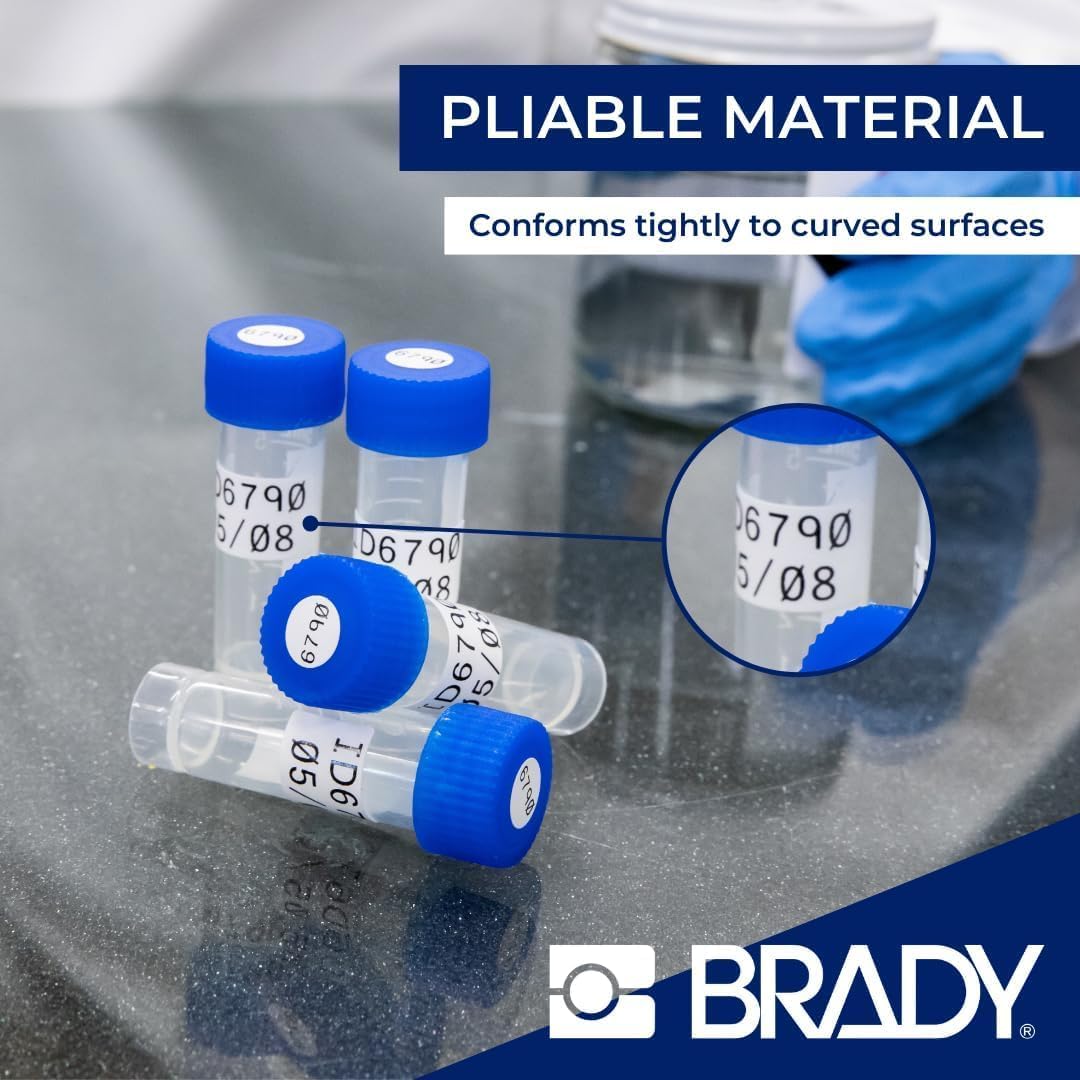
The versatility of these labels extends to their ability to adhere to a wide range of surfaces, including curved and irregular shapes. This is particularly important in laboratory settings where labels must be applied to vials, centrifuge tubes, test tubes, straws, and slides. The self-laminating clear overlaminate ensures a smooth, even application that conforms to the contours of these surfaces without compromising adhesion. This adaptability makes the labels ideal for applications requiring precise identification of small or oddly shaped containers. However, while the labels perform well on most surfaces, they may not adhere optimally to extremely smooth or glossy materials, which could affect the visibility of the printed content. Users should test the labels on a sample surface before full deployment to ensure compatibility with their specific application.

Adhesion on Curved and Irregular Surfaces
One of the standout features of these labels is their ability to adhere to curved and irregular surfaces, a critical requirement for many laboratory and industrial applications. The self-laminating clear overlaminate provides a flexible yet durable surface that conforms to the shape of the target material without compromising the integrity of the printed content. This is particularly beneficial for labeling vials, centrifuge tubes, and test tubes, where flat labels would be impractical. However, while the labels demonstrate strong adhesion on most curved surfaces, they may require additional pressure or a flat surface for optimal application. Users should ensure that the target surface is clean and free of contaminants to maximize adhesion.
Compatibility with Different Materials
The labels are designed to adhere to a variety of materials, including glass, metal, and plastic, which are commonly used in laboratory and industrial settings. The polyester base provides a stable surface that resists peeling or flaking, even on smooth or glossy materials. This compatibility is essential for applications requiring labels on equipment, containers, or tools made from different materials. However, while the labels perform well on most surfaces, they may not adhere as effectively to highly textured or porous materials, which could affect the visibility of the printed content. Users should consider the surface characteristics of their application environment to ensure optimal performance.

Pros & Cons
Pros
- Cryogenic and Extreme Temperature Resistance: The labels maintain structural integrity from -196°C to 130°C, making them suitable for liquid nitrogen storage and autoclave use. This ensures long-term reliability in environments with extreme thermal variations.
- Chemical Resistance: Resistant to ethanol, toluene, isopropanol, xylene, DMSO, 50% acetic acid, 10% hydrochloric acid, and 10% Clorox solution, providing durability in chemical-intensive settings.
- Self-Laminating Clear Overlaminate: The protective layer enhances durability against abrasion, moisture, and environmental stressors, preserving print clarity over time.
- Versatile Surface Application: Designed for curved and irregular surfaces, making them ideal for vials, centrifuge tubes, test tubes, straws, and slides.
- RoHS Compliance: Passes 2015/863 standards, ensuring environmental safety and regulatory compliance in industrial and laboratory environments.
- High-Quality Print Retention: The combination of polyester material and clear overlaminate ensures that printed content remains legible even after exposure to harsh conditions.
Cons
- Limited Chemical Compatibility: While resistant to many common solvents, the labels may not offer complete protection against highly concentrated or specialized chemical solutions, requiring verification for specific applications.
- Surface Adhesion Limitations: May not adhere optimally to extremely smooth or glossy materials, which could affect the visibility of printed content on certain surfaces.
- No Immersion Resistance: Prolonged immersion in liquid nitrogen may affect adhesive properties over time, though this is not a primary design limitation.
- Environmental Exposure Constraints: Prolonged exposure to direct sunlight may slightly affect the appearance of printed content, though this is less pronounced than with traditional paper-based labels.
- Application Requirements: Users should test the labels on a sample surface before full deployment to ensure compatibility with their specific application environment.
Final Verdict: Who This Printer Is Best For (and Who Should Skip It)
These labels are best suited for users in laboratory and industrial environments requiring extreme durability and chemical resistance. They are particularly ideal for applications involving cryogenic storage, autoclave use, and exposure to harsh solvents. Researchers, pharmaceutical professionals, and industrial operators who need reliable identification of samples, equipment, and containers will find these labels to be a valuable asset. Their ability to conform to curved surfaces and withstand extreme temperatures makes them a strong choice for specialized workflows.
However, users who require labels for environments with prolonged immersion in liquid nitrogen or exposure to highly specialized chemical solutions may need to consider alternative options. Additionally, those who prioritize cost-effectiveness over durability or have applications involving extremely smooth or glossy surfaces may find these labels less suitable. For general-purpose labeling in non-extreme conditions, other label types may offer a better balance of cost and performance. Overall, these labels excel in environments where reliability under harsh conditions is paramount, making them a strong recommendation for specific use cases.
Frequently Asked Questions (FAQs)
Are these labels suitable for use in cryogenic environments?
Yes, these labels are specifically designed for cryogenic applications, withstanding temperatures ranging from -196°C to 130°C. They maintain structural integrity and print clarity in liquid nitrogen storage and autoclave conditions, making them ideal for laboratory and industrial use.
What surfaces can these labels adhere to?
These labels are designed for curved and irregular surfaces such as vials, centrifuge tubes, test tubes, straws, and slides. They conform to these surfaces without compromising adhesion, though optimal performance may require testing on specific materials.
Are these labels resistant to common chemicals?
Yes, they are resistant to ethanol, toluene, isopropanol, xylene, DMSO, 50% acetic acid, 10% hydrochloric acid, and 10% Clorox solution. This chemical resistance makes them suitable for environments with frequent chemical exposure.
Can these labels be used for outdoor applications?
While they offer some resistance to environmental stressors like humidity and UV exposure, prolonged direct sunlight may slightly affect the appearance of printed content. They are more suited for controlled indoor environments with moderate temperature and chemical exposure.
What is the significance of the self-laminating clear overlaminate?
The self-laminating clear overlaminate provides an additional protective layer against abrasion, moisture, and environmental stressors. This enhances the durability of the printed content and ensures long-term visibility in challenging conditions.
Are these labels RoHS compliant?
Yes, these labels comply with RoHS standards (Pass 2015/863), ensuring environmental safety and regulatory compliance in industrial and laboratory environments.
What are the limitations of these labels?
While highly durable, these labels may not offer complete protection against highly concentrated or specialized chemical solutions. Prolonged immersion in liquid nitrogen could affect adhesive properties over time, and they may not adhere optimally to extremely smooth or glossy materials.
How many labels are included in each roll?
Each roll contains 120 labels, providing a sufficient quantity for most laboratory and industrial applications. This packaging size is convenient for users requiring a steady supply of durable labels.