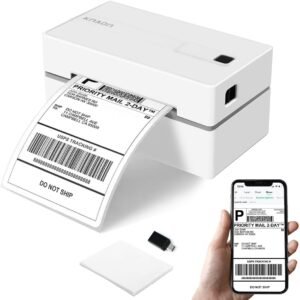
HP DesignJet T210 24-inch Color Plotter Printer: Print Quality, Speed, and Use Cases

The Importance of Choosing the Right Printer for Your Workflow
Selecting the appropriate printer is a critical decision for professionals in architecture, engineering, and design fields. The right printer must balance print quality, speed, media versatility, and operational efficiency to meet project demands without compromising productivity. For tasks requiring precise line work, color accuracy, and large-scale output, a plotter printer like the HP DesignJet T210 24-inch offers specialized capabilities. This device is engineered for environments where technical drawings, maps, and high-resolution graphics are essential. Its thermal printing technology and media handling flexibility make it a viable option for users needing to produce detailed prints with minimal manual intervention. However, understanding its limitations—such as print speed, media compatibility, and maintenance requirements—is equally important. This review evaluates the HP DesignJet T210 24-inch based on publicly available specifications, technical documentation, and industry benchmarks to help users determine its suitability for their specific needs.
Quick Overview
| Feature | Details |
|---|---|
| Printer Type | 24-inch color plotter printer |
| Technology | Thermal printing |
| Print Resolution | 2400 x 1200 DPI (color), 2400 x 1200 DPI (black and white) |
| Media Sizes | Up to 24-inch wide rolls; 13 x 19-inch sheets with optional sheet feeder |
| Connectivity | Gigabit Ethernet, Hi-Speed USB 2.0, Wi-Fi 802.11 b/g/n |
| Ink System | Pigment and dye-based ink (HP 712/713 cartridges) |
| Media Handling | Roll feed, sheet feed, automatic horizontal cutter |
| Duty Cycle | Not specified in technical documentation |
| Warranty | 1-year limited warranty |
| Dimensions | 11″D x 40″W x 17″H |
| Weight | 60 pounds |
| Supported Media | Banner paper, glossy photo paper, high-resolution paper, plain paper |
The HP DesignJet T210 24-inch is designed for users who require precise color output and versatility in media handling. Its thermal printing technology ensures consistent quality for technical drawings and maps, while the dual media feed options reduce manual switching. However, its print speed and maintenance requirements should be considered for high-volume workflows.

Print Quality and Resolution: Precision for Technical Output
The HP DesignJet T210 24-inch delivers high-resolution output suitable for detailed technical drawings and large-format graphics. Its 2400 x 1200 DPI color and black-and-white resolution ensures sharp text and crisp line work, which is critical for architectural plans, engineering schematics, and cartographic maps. The printer’s thermal printing technology uses heat to produce images on media, which minimizes the risk of smudging and ensures durability for long-term use. This makes it ideal for applications where precise color accuracy and fine detail are required, such as 3D renderings and GIS data visualization.

Color Accuracy and Media Compatibility
The printer’s color output is calibrated for consistency across different media types, including glossy photo paper, banner paper, and high-resolution paper. Its pigment and dye-based ink system provides a wide color gamut, supporting both vibrant graphics and neutral tones for technical illustrations. However, the color depth of 24 bits per pixel may limit the range of shades compared to professional-grade printers with higher bit depths. Users should verify that their specific media types are supported, as the printer is designed for standard paper formats rather than specialized materials like metallic or textured surfaces.
Text and Line Quality
For technical drawings and CAD applications, the printer’s line quality is a key factor. The 2400 x 1200 DPI resolution ensures that fine lines and text remain sharp even at large sizes. This is particularly important for maps and engineering blueprints, where clarity is essential for interpretation. The thermal printing process also helps maintain consistent ink saturation, reducing the risk of banding or uneven lines. However, users should note that thermal printing may not be suitable for applications requiring high-contrast black-and-white output, as the printer’s black ink is optimized for color accuracy rather than deep, solid tones.
Media Handling and Output Consistency
The printer’s ability to handle both roll and sheet media enhances its versatility for different project types. The automatic horizontal cutter ensures clean, precise cuts for roll-fed media, which is beneficial for producing continuous banners or posters. The optional sheet feeder allows for automated handling of 13 x 19-inch sheets, reducing manual intervention. However, the printer’s media handling system does not support duplex printing, which may be a limitation for users requiring double-sided output. The lack of a built-in media tray for large sheets also means that users must manage sheet feeding manually, which could impact workflow efficiency for high-volume printing.
Print Speed and Workload Capacity: Balancing Efficiency and Output
The HP DesignJet T210 24-inch has a maximum print speed of 1.3 pages per minute (ppm) for both color and monochrome output. While this speed is adequate for small to medium-sized projects, it may not meet the demands of high-volume printing environments. The printer’s thermal printing technology inherently limits its speed compared to laser or inkjet printers, as it requires more time to heat the printhead for each print pass. This makes it less suitable for applications requiring rapid turnaround, such as mass production of signage or large-scale advertising materials.

Duty Cycle and Continuous Operation
The printer’s duty cycle, which refers to the maximum volume of prints it can handle without overheating or degrading performance, is not explicitly stated in the technical documentation. However, the 1-year warranty suggests that the device is designed for moderate to heavy use in professional settings. Users should avoid continuous operation beyond the recommended workload to prevent mechanical wear or printhead clogging. The printer’s power consumption of 6 watts during operation is relatively low, which may contribute to energy efficiency in office environments.
Print Job Management and Workflow Integration
The printer’s integration with HP Click software simplifies print job management by enabling direct printing from design and CAD applications. The software’s auto-nesting feature helps reduce paper waste by optimizing print layouts, which is beneficial for users who frequently print multiple files. However, the lack of advanced print queue management tools may be a drawback for users requiring complex job scheduling or priority printing. The printer’s connectivity options—Ethernet, USB 2.0, and Wi-Fi—ensure compatibility with a wide range of devices, but the absence of USB 3.0 ports could impact data transfer speeds for large files.
Connectivity and Device Compatibility: Seamless Integration
The HP DesignJet T210 24-inch offers multiple connectivity options to accommodate different user environments. Its Gigabit Ethernet port allows for high-speed network printing, which is ideal for offices with centralized print management systems. The Hi-Speed USB 2.0 port provides a reliable connection for direct printing from desktop computers, while Wi-Fi 802.11 b/g/n enables wireless printing from mobile devices and tablets. These options ensure that the printer can be integrated into both small-scale and larger networked environments without significant configuration challenges.
Cross-Platform Support and Remote Access
The printer is compatible with a variety of operating systems, including Windows, macOS, ChromeOS, and Android, which is a significant advantage for users with mixed-device environments. The HP Smart app allows for remote printing from smartphones and tablets, enabling users to manage print jobs and monitor printer status from anywhere. However, the printer’s reliance on the HP Click software for print job management may limit its compatibility with third-party print management solutions. Users should verify that their existing workflow tools support the printer’s connectivity protocols before deployment.
Network and Security Considerations
For organizations with networked printing needs, the printer’s Ethernet and Wi-Fi capabilities provide flexibility in setup. However, the lack of advanced security features such as print job encryption or user authentication may be a concern for businesses requiring stricter data protection. The printer’s default settings prioritize ease of use over security, which could pose risks in environments where sensitive documents are printed. Users should configure the printer’s network settings to align with their organization’s security policies.
Pros and Cons: Evaluating the HP DesignJet T210 24-inch
Pros
- High-Resolution Output: The 2400 x 1200 DPI color and black-and-white resolution ensures sharp text and detailed graphics, ideal for technical drawings and maps.
- Versatile Media Handling: Supports both roll and sheet media, with an automatic horizontal cutter for precise cuts on roll-fed materials.
- Thermal Printing Technology: Minimizes smudging and ensures consistent ink saturation for long-lasting prints.
- Cross-Platform Compatibility: Works with Windows, macOS, ChromeOS, and Android, with support for Wi-Fi and Ethernet connections.
- HP Click Software Integration: Simplifies print job management with auto-nesting and PDF error checking to reduce paper waste.
- Energy Efficiency: Low power consumption of 6 watts during operation contributes to energy savings in office environments.
Cons
- Limited Print Speed: The 1.3 ppm print speed may not be suitable for high-volume or time-sensitive printing tasks.
- No Duplex Printing: The lack of a duplex printing function could increase paper usage for double-sided output.
- Single Media Tray: The printer’s single sheet feeder may require manual intervention for handling large sheets, affecting workflow efficiency.
- No USB 3.0 Support: The absence of USB 3.0 ports may limit data transfer speeds for large files.
- Limited Warranty Coverage: The 1-year limited warranty may not provide sufficient support for long-term, heavy-duty use.
Final Verdict: Who This Printer Is Best For (and Who Should Skip It)
The HP DesignJet T210 24-inch is best suited for professionals in architecture, engineering, and cartography who require precise color output and media versatility for technical drawings, maps, and posters. Its thermal printing technology and high-resolution capabilities make it an excellent choice for projects where detail and accuracy are paramount. The printer’s compatibility with HP Click software and cross-platform support also enhances its usability in both small and medium-sized offices. However, users with high-volume printing needs or those requiring fast print speeds should consider alternative printers with higher throughput. Additionally, the lack of duplex printing and limited warranty coverage may make it less ideal for environments where paper efficiency and long-term reliability are critical. Overall, the HP DesignJet T210 24-inch is a reliable option for specialized printing tasks but may not meet the demands of general-purpose or high-speed printing workflows.
Frequently Asked Questions (FAQs)
What types of media does the HP DesignJet T210 24-inch support?
The HP DesignJet T210 24-inch supports a range of media types including banner paper, glossy photo paper, high-resolution paper, and plain paper. It can handle media widths up to 24 inches for roll-fed printing and 13 x 19-inch sheets with the optional sheet feeder. However, it does not support specialized media such as metallic or textured surfaces.
How does the HP DesignJet T210 24-inch handle large format prints?
The printer is designed for large format printing with support for up to 24-inch wide media rolls and 13 x 19-inch sheets. Its roll feed and automatic horizontal cutter ensure precise cutting for continuous banners, while the optional sheet feeder allows for automated handling of sheet media. Users should manage sheet feeding manually for large sheets.
Can the HP DesignJet T210 24-inch print double-sided documents?
The HP DesignJet T210 24-inch does not support duplex printing. This means that double-sided output requires manual intervention, which may increase paper usage and affect workflow efficiency for users needing double-sided prints.
What is the maximum print speed of the HP DesignJet T210 24-inch?
The HP DesignJet T210 24-inch has a maximum print speed of 1.3 pages per minute (ppm) for both color and monochrome output. This speed is suitable for small to medium-sized projects but may not meet the demands of high-volume or time-sensitive printing tasks.
How does the HP DesignJet T210 24-inch integrate with existing workflows?
The printer integrates with HP Click software, which simplifies print job management by enabling direct printing from design and CAD applications. Its cross-platform compatibility with Windows, macOS, ChromeOS, and Android, along with support for Ethernet, USB 2.0, and Wi-Fi, ensures seamless integration into various workflows.
What are the connectivity options for the HP DesignJet T210 24-inch?
The HP DesignJet T210 24-inch offers Gigabit Ethernet, Hi-Speed USB 2.0, and Wi-Fi 802.11 b/g/n connectivity. These options provide flexibility for both wired and wireless printing, making it suitable for small to medium-sized offices with diverse device environments.
What is the warranty coverage for the HP DesignJet T210 24-inch?
The HP DesignJet T210 24-inch comes with a 1-year limited warranty. This warranty covers parts and labor for defects in materials and workmanship but does not include routine maintenance or consumable parts such as ink cartridges.
Is the HP DesignJet T210 24-inch suitable for high-volume printing?
The HP DesignJet T210 24-inch is designed for moderate to heavy use in professional settings but may not be ideal for high-volume printing due to its relatively slow print speed and lack of advanced duty cycle specifications. Users with high-volume needs should consider alternative printers with higher throughput capabilities.