Seiko Instruments Smart Label Printer 620 Review: Thermal Label Printing for Office Efficiency
The Importance of Choosing the Right Label Printer
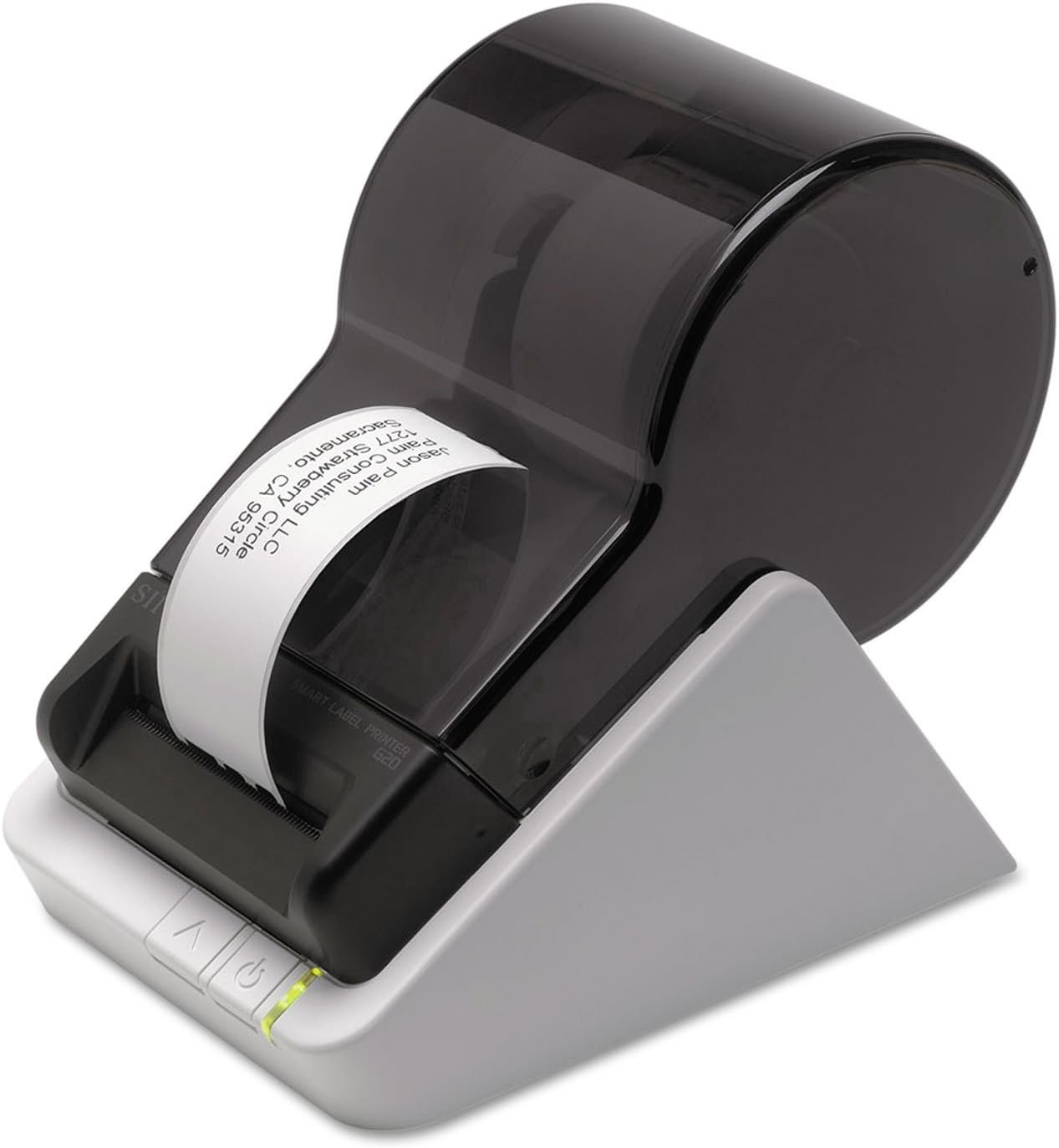
In today’s fast-paced office environments, efficient labeling solutions are critical for maintaining organization and productivity. Whether managing shipping labels, file folders, or name tags, the right label printer can streamline workflows and reduce manual effort. For small businesses and professionals, the decision between inkjet, laser, or thermal label printing technologies often hinges on factors like cost-effectiveness, speed, and versatility. Thermal label printers, such as the Seiko Instruments Smart Label Printer 620, offer unique advantages through direct thermal printing, eliminating the need for ink or toner. This review evaluates how the Smart Label Printer 620 aligns with common labeling needs, from single-label printing to bulk label management. By analyzing its technical specifications, connectivity options, and media compatibility, this guide helps users determine if the printer suits their specific workflow requirements. From office use to specialized labeling tasks, understanding the printer’s capabilities ensures informed purchasing decisions for 2026.
Quick Overview
| Feature | Details |
|---|---|
| Printer Type | Thermal Label Printer |
| Printing Technology | Direct Thermal |
| Print Resolution | 203 dpi (Black & White) |
| Maximum Print Speed | 2.76 ppm (Monochrome) |
| Media Compatibility | Labels (Clear, Opaque, Removable) |
| Connectivity | USB (Windows, Mac OS, Linux) |
| Duty Cycle | 1,500,000 Labels/Year |
| Warranty | 3-Year Limited |
| Dimensions | 4.48″D x 6.77″W x 5.83″H |
| Weight | 1.1 Pounds |
| Supported Formats | Address, Shipping, File Folder, Name Badge |
| Software | Smart Label Printer Software |
| Media Sizes | 2-1/8″ Wide x 7″ Long |
The Seiko Instruments Smart Label Printer 620 is designed for users who require reliable, straightforward label printing without the complexity of ink or toner systems. Its thermal printing technology ensures consistent output, while USB connectivity simplifies integration with desktop computers. The printer’s compact footprint and support for multiple label formats make it suitable for both office and specialized labeling tasks, aligning with its intended use cases for 2026.

Thermal Printing Technology and Media Compatibility

Direct Thermal Printing: No Ink, No Toner
The Seiko Instruments Smart Label Printer 620 utilizes direct thermal printing technology, which produces labels by applying heat to thermally sensitive media. This method eliminates the need for ink, toner, or ribbons, reducing maintenance costs and simplifying the printing process. Unlike thermal transfer printers that require a ribbon, direct thermal printers like the 620 rely on the label material itself to create images, making them ideal for environments where frequent label changes are necessary. The printer’s thermal printing system ensures consistent output without the risk of smudging or fading, provided the labels are stored in optimal conditions.
Media Versatility: From Clear to Opaque Labels
The printer supports a wide range of label media types, including clear, opaque, and removable options. This versatility allows users to adapt the printer to various labeling needs, such as shipping labels, file folder tags, or name badges. The supported media sizes, including 2-1/8″ wide x 7″ long labels, accommodate both standard and specialized applications. The absence of ink or toner also means the printer avoids the limitations of traditional printing methods, such as color restrictions or the need for frequent consumable replacements. However, the reliance on thermal media may limit long-term storage options, as direct thermal labels can degrade over time when exposed to heat or light.
Label Durability and Environmental Considerations
Direct thermal labels produced by the Smart Label Printer 620 are suitable for short-term use, such as temporary name tags or shipping labels. For applications requiring extended durability, users should opt for labels with UV protection or heat-resistant coatings. The printer’s thermal printing process does not introduce additional chemicals, making it an environmentally friendly option compared to inkjet or laser printers. However, the lack of color printing capabilities restricts its use to monochrome applications, which may be a limitation for users requiring more detailed graphics or branding.
Connectivity and Software Integration

USB Compatibility: Seamless Desktop Integration
The Smart Label Printer 620 connects to desktop computers via USB, supporting operating systems such as Windows, Mac OS, and Linux. This connectivity simplifies setup and ensures compatibility with a wide range of devices, making it ideal for users who prefer direct hardware connections over wireless alternatives. The USB interface also allows for straightforward data transfer, enabling users to print labels directly from applications like word processors or spreadsheets. However, the lack of wireless capabilities may be a drawback for users requiring mobility or remote printing options.
Smart Label Printer Software: Customizable Label Design
The printer’s bundled Smart Label Printer Software provides users with tools to create, format, and save custom labels. This software supports importing images from desktop files or the clipboard, allowing for personalized name tags or barcode labels. The ability to design labels directly on the computer enhances flexibility, particularly for users who need to generate labels with specific text, graphics, or barcodes. However, the software’s functionality is limited to label creation and printing, without advanced design features found in dedicated graphic design tools.
Cross-Platform Support and Compatibility
While the printer’s USB connectivity ensures broad compatibility, users should verify that their operating system supports direct thermal printing. The printer’s software is designed for desktop use, and there are no mobile app integrations or cloud-based printing options. This limitation may affect users who require printing capabilities on laptops or tablets. Additionally, the absence of network printing features means the printer cannot be shared across multiple devices without additional hardware or software solutions.
Performance and Workflow Considerations

Print Speed and Duty Cycle: Suitable for Moderate Workloads
The Smart Label Printer 620 has a maximum print speed of 2.76 ppm for monochrome labels, which is adequate for most office labeling tasks. While this speed may not match the high-volume capabilities of industrial printers, it is well-suited for environments with moderate label production requirements. The printer’s duty cycle of 1,500,000 labels per year indicates it is designed for continuous use but may not handle extreme workloads typical of large-scale operations. Users with high-volume needs should consider printers with higher duty cycles or dedicated label printing solutions.
Reliability and Maintenance: Low Maintenance Requirements
The printer’s direct thermal technology and lack of consumables like ink or toner reduce the need for frequent maintenance. Users can expect minimal downtime, as the printer does not require ribbon replacements or toner refills. However, the reliance on thermal media means users must regularly replace label rolls, which can be a minor inconvenience for high-volume users. The printer’s 3-year warranty provides some assurance of reliability, though extended support may be necessary for long-term use.
Media Handling and Label Management
The printer’s design includes a single tray for label rolls, which simplifies media management but limits the ability to handle multiple label types simultaneously. Users can easily replace label rolls or switch between different media types, which is beneficial for those who frequently change label formats. The printer’s compact size also makes it suitable for small workspaces, though users with limited storage may need to manage label rolls carefully to avoid clutter. Overall, the printer’s media handling capabilities are efficient for its intended use cases.
Pros & Cons
Pros
- Direct Thermal Printing: Eliminates the need for ink, toner, or ribbons, reducing maintenance and consumable costs.
- USB Connectivity: Ensures broad compatibility with desktop computers running Windows, Mac OS, or Linux.
- Versatile Label Options: Supports clear, opaque, and removable labels for a wide range of applications.
- Compact Design: Saves space in office environments while maintaining functionality.
- 3-Year Warranty: Provides long-term support and reliability assurance.
- User-Friendly Software: Allows for custom label creation with tools for text, graphics, and barcode integration.
- High Media Compatibility: Works with various label sizes and formats, including bulk rolls.
- Low Maintenance Requirements: Minimal downtime due to no consumable replacements.
Cons
- Limited Color Printing: Only supports monochrome labels, restricting use for detailed graphics or branding.
- No Wireless Connectivity: Requires a USB connection, limiting mobility or remote printing options.
- Lower Print Speed: 2.76 ppm may be insufficient for high-volume or time-sensitive tasks.
- Media Degradation: Direct thermal labels can fade over time when exposed to heat or light.
- Single Tray Design: Limits the ability to handle multiple label types simultaneously without frequent roll changes.
- No Network Printing: Cannot be shared across multiple devices without additional hardware or software.
- Limited Software Features: The bundled software is basic, lacking advanced design tools or cloud integration.
Final Verdict: Who This Printer Is Best For (and Who Should Skip It)
The Seiko Instruments Smart Label Printer 620 is best suited for users who require reliable, straightforward label printing without the complexity of ink or toner systems. Its direct thermal technology, USB connectivity, and support for multiple label formats make it an ideal choice for small offices, administrative staff, and professionals who frequently create shipping labels, file folder tags, or name badges. The printer’s compact design and low maintenance requirements also make it a practical option for environments with limited space or budget constraints.
However, users with high-volume printing needs, color requirements, or the need for wireless connectivity may find the Smart Label Printer 620 limiting. Its maximum print speed of 2.76 ppm and lack of network printing capabilities make it unsuitable for large-scale operations or environments requiring rapid label production. Additionally, the reliance on thermal media may not be ideal for long-term archival or applications where label durability is critical. For these users, alternative label printers with higher duty cycles, color printing, or wireless integration would be more appropriate choices in 2026.
Frequently Asked Questions (FAQs)
What printing technology does the Seiko Instruments Smart Label Printer 620 use?
The Smart Label Printer 620 uses direct thermal printing technology, which applies heat to thermally sensitive label media to produce images without ink, toner, or ribbons.
Can the printer handle different label formats like shipping or name badges?
Yes, the printer supports multiple label formats including address labels, shipping labels, file folder labels, name badges, and media labels, making it versatile for various labeling needs.
What operating systems are compatible with the printer?
The printer connects via USB and is compatible with Windows, Mac OS, and Linux operating systems, ensuring broad desktop integration.
How long does the printer last with regular use?
The printer is rated for a duty cycle of 1,500,000 labels per year, making it suitable for moderate-volume environments but not high-volume industrial applications.
Does the printer require ink or toner?
No, the printer uses direct thermal printing, which eliminates the need for ink, toner, or ribbons, reducing maintenance and consumable costs.
Can the printer print color labels?
No, the printer is designed for monochrome printing only, making it suitable for text-based labels but not for detailed graphics or color printing.
What software comes with the printer?
The printer includes Smart Label Printer Software that allows users to create, format, and save custom labels with text, graphics, and barcode integration.
Is the printer suitable for high-volume label production?
The printer is best suited for moderate-volume use due to its 2.76 ppm print speed and 1,500,000 label duty cycle, making it less ideal for high-speed or large-scale operations.