
Printer Comparisons: Model by Model and Class by Class
Six pages that put printer listings next to each other and next to their whole type, marking which figures two independent sources agree on and where a listing contradicts itself.
What is on these pages
A review tells you what one printer’s listing says. These pages put listings next to each other and next to the whole type. There are two kinds. Head-to-head pages take two specific models and compare them on what the listings state, marking which figures both our review and Amazon’s detail page agree on and which come from only one. Class reports take every reviewed printer of one type and ask what the published specifications say when taken together.
None of it is tested. No printer here has printed a page for us, so every figure is the manufacturer’s, and every page says so. There are no prices, because Amazon changes them daily, and no star ratings or review counts, because Amazon’s terms do not let us publish them. There is no league table and no single recommended pick: each page offers the conditions under which a printer suits you and the conditions under which it does not.
What a printer listing tells you, in numbers
| Reviewed | State a speed | Median speed | Median weight | |
|---|---|---|---|---|
| Laser printers | 119 | 116 | 31 | 11.8 kg |
| Inkjet and ink tank printers | 126 | 117 | 14 | 6.5 kg |
| Label and thermal printers | 194 | 141 | 35 | 0.7 kg |
| Photo printers | 51 | 34 | 5 | 1 kg |
The table already shows why printer listings are hard to compare. The speed column is Amazon’s “pages per minute” for every class, and on label and thermal printers that number is labels per minute, millimetres per second or pages, in one field. A resolution is the first number of a pair and sometimes an enhanced figure. And one model can be listed several times with several sets of figures.
Laser printer comparisons
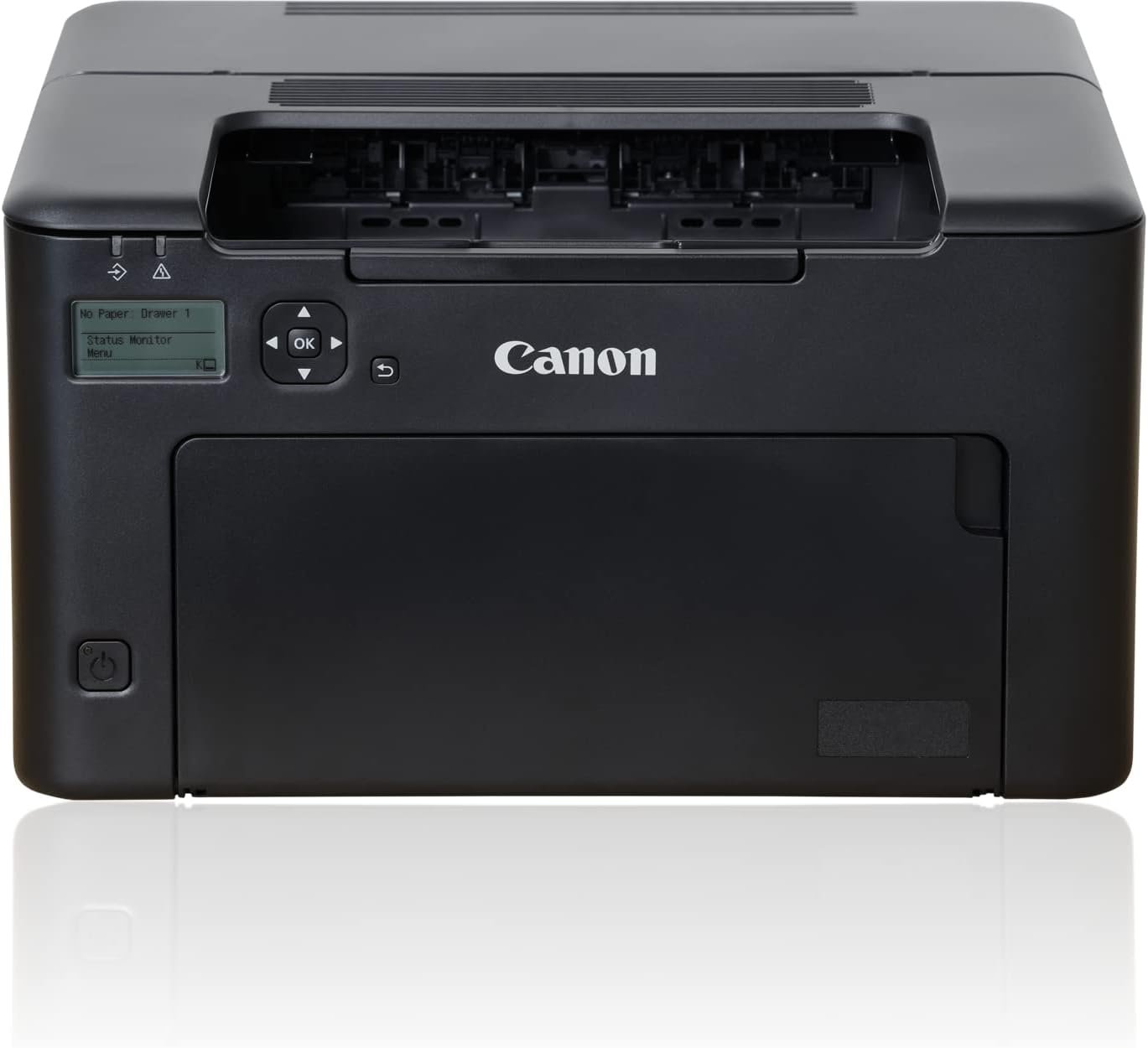
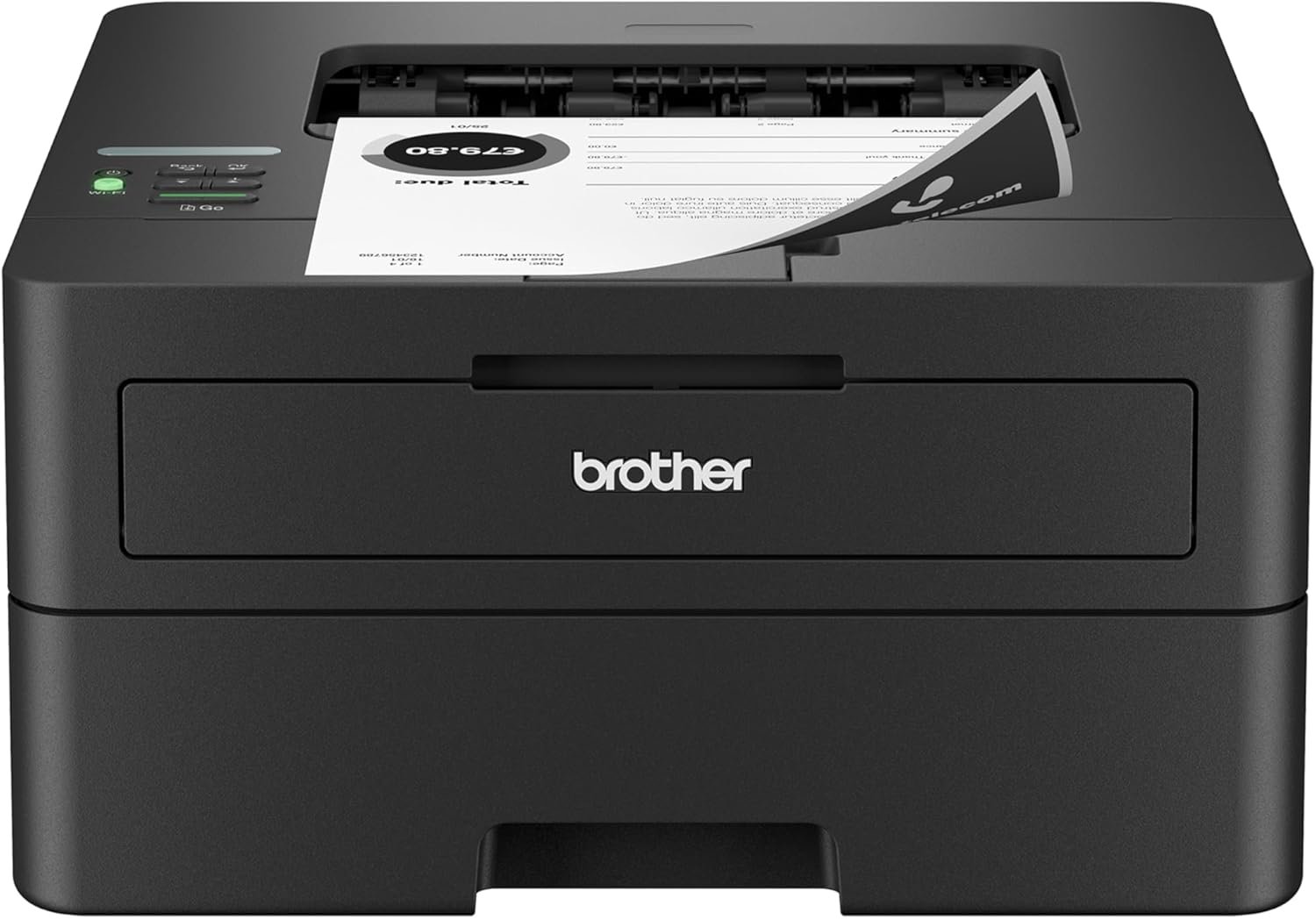
Laser printers are the most fully documented class and still have a resolution figure that means three things and one model listed at three speeds. The class report sets these out, and the comparison takes two compact mono printers whose headline numbers point opposite ways once their second figures are read.
Laser printer class report
119 printers, speeds stacked on three figures
Brother HL-L2460DW vs Canon LBP122dw
The higher resolution is not the higher resolution
Inkjet and ink tank printer comparisons
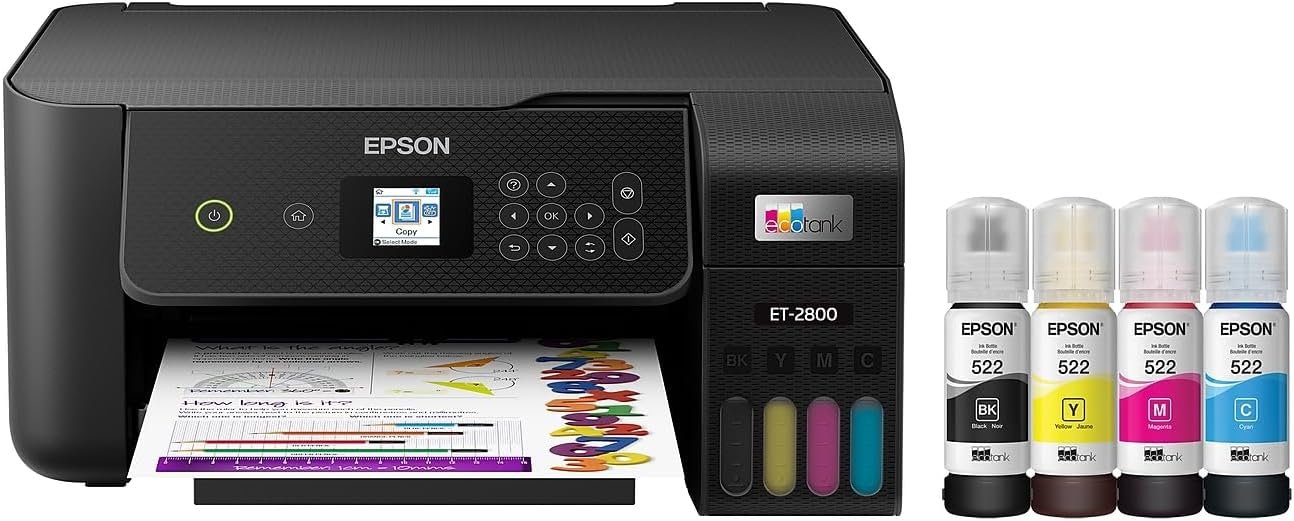
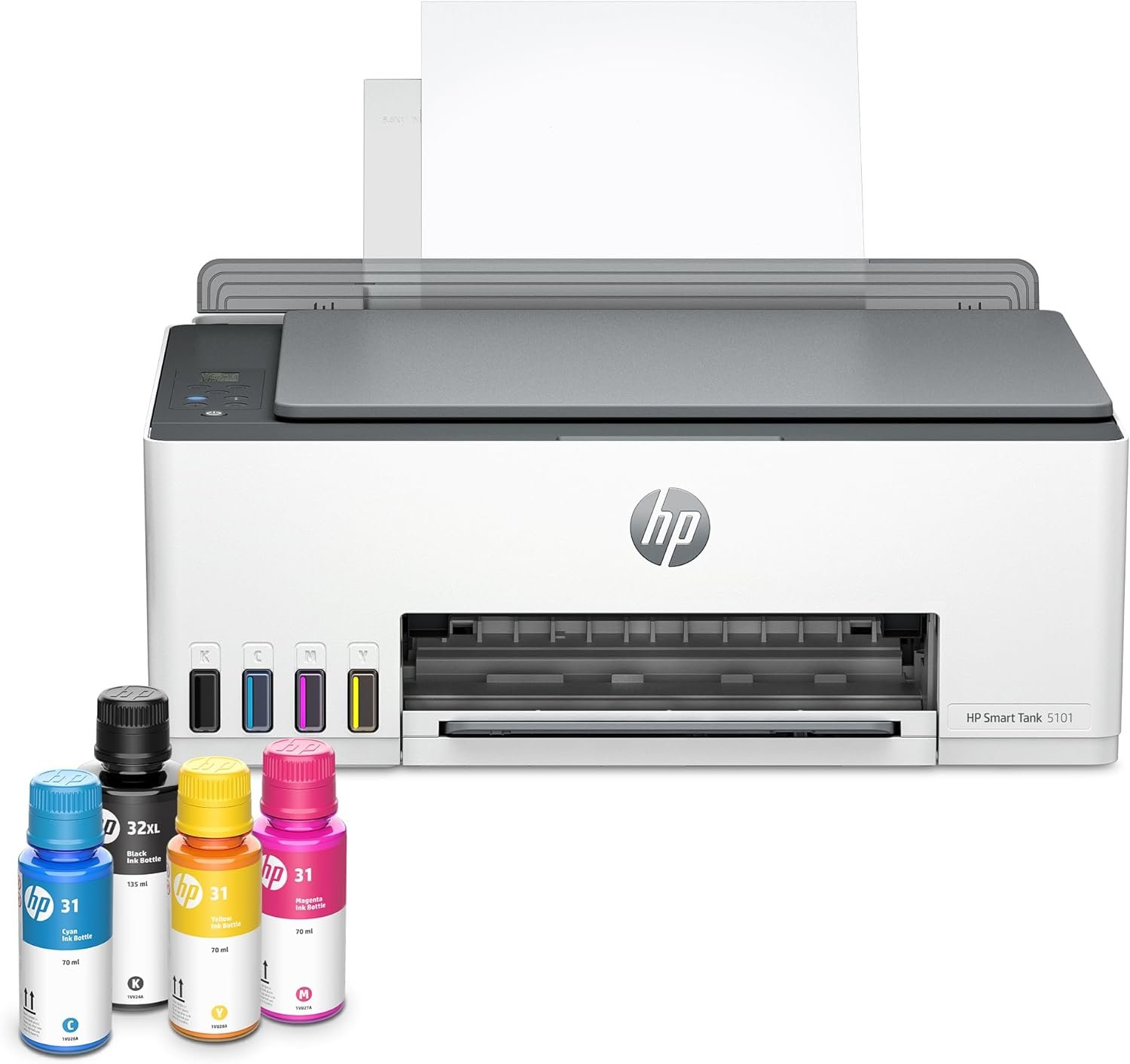
Inkjet is the largest of the consumer classes and the one that mixes the most kinds of product: desktop tank printers, cartridge printers, handheld coding printers and wide-format machines are all filed as inkjets. The report separates them, and the comparison takes two refillable-tank all-in-ones.
Inkjet printer class report
126 products, one speed of 99
Epson ET-2800 vs HP Smart Tank 5101
5,760 against 1,200 dpi
Label and thermal printer comparisons
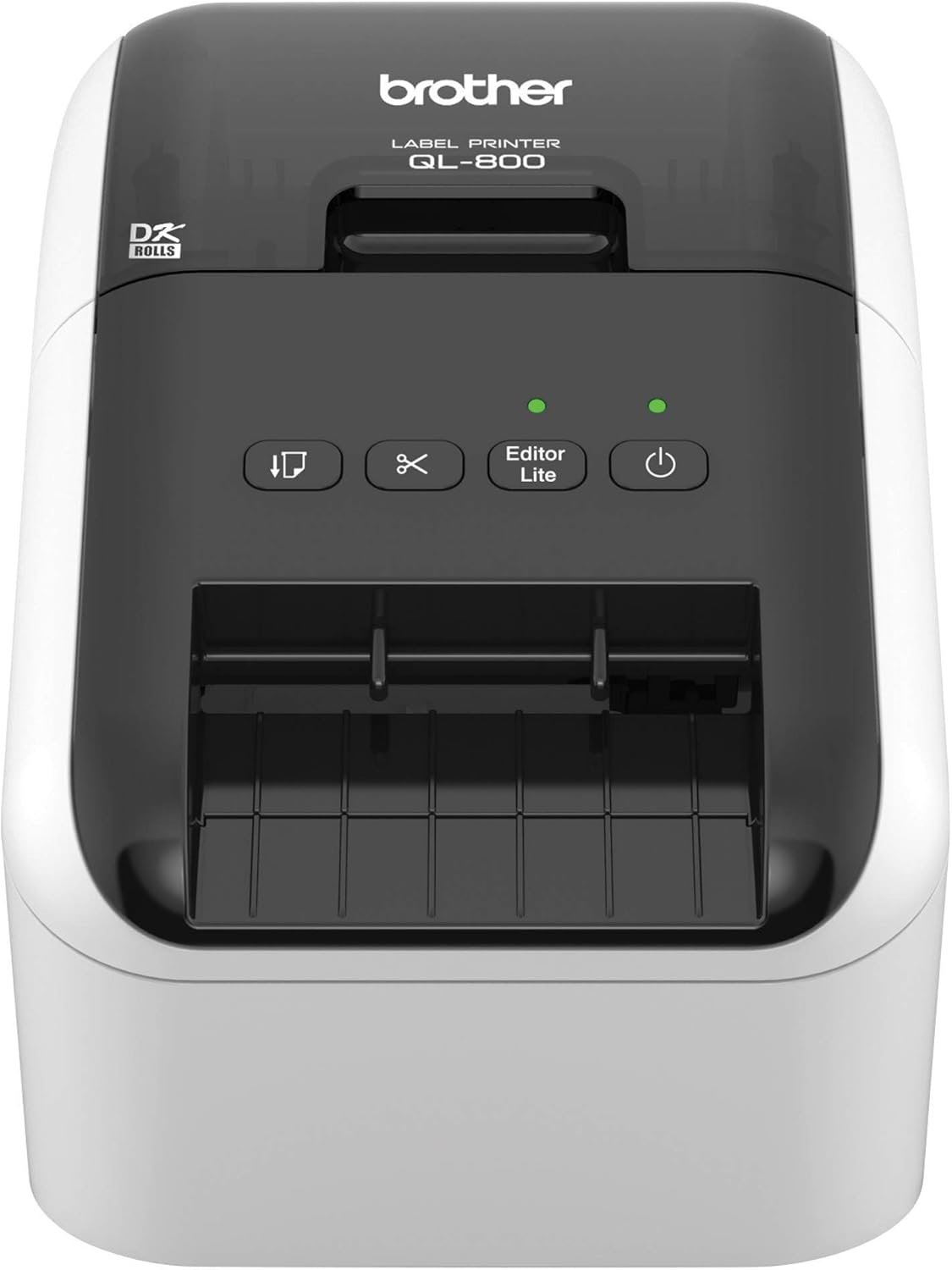
Label and thermal printers are the largest class in the catalogue and the one where the shared fields mean least. The report reads the units behind the speed field, and the comparison puts two of the most familiar desktop label printers side by side.

Label and thermal printer class report
194 printers, three units in one field
Brother QL-800 vs DYMO LabelWriter 550
40 and 62 pages a minute of labels
What is not here yet
Photo printers, dot matrix printers and wide-format plotters are reviewed on this site too. Photo printers appear in the table above and have no page yet; dot matrix and wide-format machines are too few in the catalogue to compare, so they appear nowhere. We would rather leave a class out than write pages on one where most of the figures are missing.
How the figures are checked
Each review on this site carries a specification table, and each product’s Amazon page carries its own. They are independent transcriptions of one listing, which makes it possible to check one against the other. Where both state a figure and agree, the comparison pages say so. Where they disagree, or only one states it, the pages say that too, because a listing that contradicts itself is part of what you need to know before you buy. Across the printer catalogue the two sources agreed on the black-and-white speed for 263 of the 292 printers that state it in both, and the inkjet report shows what that agreement does not catch: two sources that agree on a speed of 99 that is wrong.
The scrape that supports these pages also turned up things that are not the printers a shopper means. We collected Amazon’s page for 533 of the 603 printers the finder listed, and 490 of them are printers these pages could compare. Seventeen were dot matrix printers and eighteen wide-format plotters, both too few to compare, and seven were not printers at all: a thermal transfer ribbon, a consumables kit, a print server, a dust cover, a sewing machine and a replacement part, with one more we could not assign to a class. The site’s “all-in-one printers” category held laser and ink tank machines together with dot matrix printers and plotters, which is why we sort by the printing technology Amazon states.
Where to go next
- To narrow by your own answers, use the printer finder;
- To read one printer in full, browse the laser printer or all-in-one printer reviews, or use the finder, which links every result to its review;
- To see how a review is written, read how our reviews work.
Figures are the manufacturers’, as published on each listing and quoted in our reviews; none was measured by us. How we work · Affiliate disclosure